
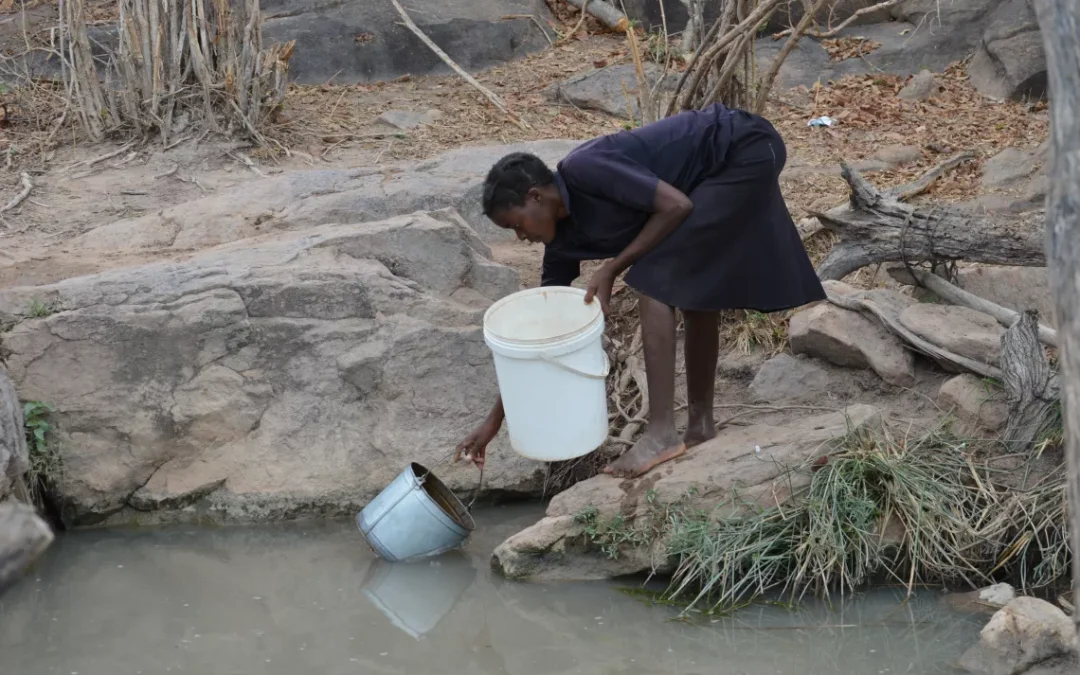
Rural communities across Southern Africa are grappling with a silent health crisis caused by inadequate water, sanitation, and hygiene (WASH) infrastructure. Millions of people lack access to clean water, proper sanitation facilities, and hygiene education, leading to preventable diseases like cholera, diarrhea, and typhoid.
In its latest report, SADHR highlights how these WASH challenges disproportionately affect vulnerable populations, especially women and children. The report outlines key recommendations, including:
- Increasing government and donor investment in rural WASH infrastructure.
- Strengthening accountability in the allocation and utilization of WASH resources.
- Implementing community-driven, sustainable WASH solutions.
“Access to clean water and sanitation is not a privilege—it’s a basic human right,” said SADHR in its report. The organization is working with partners to advocate for improved WASH policies, raise public awareness, and implement local interventions to ensure health and dignity for all.